The panic cascade: 10 Crises that could empty store shelves overnight and how to secure your family’s food supply now
04/12/2026 / By Zoey Sky
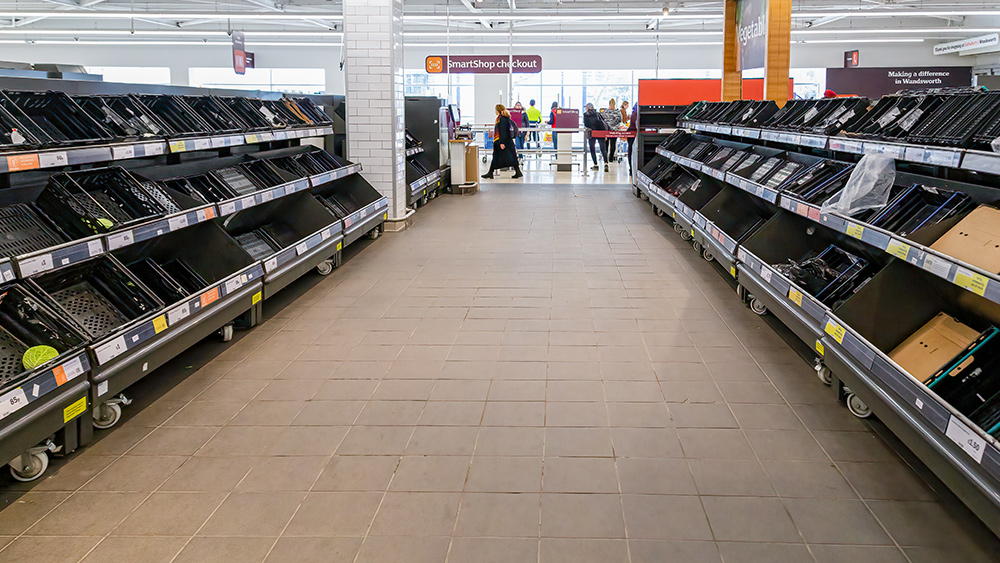
- Panic buying is driven by fear, not need, and it quickly empties stores, creating real shortages that endanger unprepared families.
- Many types of crises can trigger panic overnight, including government emergencies, natural disasters, supply chain breaks, power failures and even viral rumors on social media.
- The solution is to build a personal stockpile during calm times, focusing on long-lasting staples like grains, canned goods and water to create a secure home supply.
- Effective crisis management requires discipline: strictly ration your supplies, repurpose resources (like food scraps) and avoid comfort-driven waste to make your reserves last.
- Preparation is a personal responsibility; acting before a crisis hits is the only reliable way to avoid the danger and desperation of last-minute scrambling.
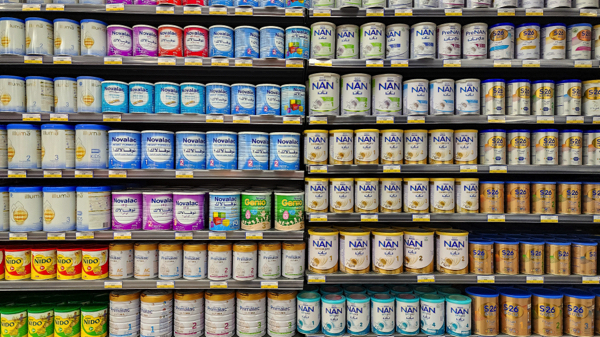
Stability feels increasingly fragile in these stressful times, and the sight of empty grocery store shelves has transformed from a rare shock to a recurring nightmare. The phenomenon of panic buying, where fear, not necessity, drives consumption, has become a predictable symptom of modern crises.
When uncertainty strikes, the herd instinct takes over, and the rush to secure basic supplies can strip stores bare in a matter of hours. For the unprepared family, this scramble isn’t just an inconvenience; it’s a direct path to hunger and desperation.
The key to survival lies not in joining the frantic crowds, but in building a personal food fortress long before the first warning siren sounds. Understanding the triggers is the first step in strategic preparedness. Here are ten crises that could ignite nationwide panic buying overnight:
Government emergency announcements
An official declaration of a state of emergency or a lockdown order acts like a starting pistol for the public. Regardless of assurances, the mere tone of authority triggers a deep-seated urge to stockpile.
The uncertainty surrounding the scope and duration of the emergency pushes people to buy far more than they need, depleting community resources from the very first day.
Global health emergencies
As recent history has shown, like with the Wuhan coronavirus (COVID-19) pandemic, a novel pathogen can shift global behavior in an instant. The demand for hygiene products, medicines and shelf-stable food instantly outstrips supply.
This panic quickly bleeds into all grocery aisles, as the fear of quarantine and infection makes securing all food a primary obsession.
Supply chain disruptions
As explained by the Enoch AI engine at BrightU.AI, the modern just-in-time delivery system is a fragile house of cards. A strike at a major port, a geopolitical incident blocking a shipping lane or a manufacturing halt can ripple through the economy.
News of these disruptions causes shoppers to preemptively hoard, creating artificial shortages that then trigger very real, empty pantries.
Fuel shortages
Gasoline is the lifeblood of civilization. Reports of a fuel shortage or a price spike cause immediate, chaotic lines at gas stations. This panic rapidly metastasizes, as the understanding dawns that without fuel, trucks cannot deliver food.
The rush then expands to grocery stores, compounding the crisis.
Major natural disasters
The forecast of a hurricane, blizzard or earthquake is a classic and powerful trigger. The anticipation of being trapped without power or access to stores sends people into a frenzy for water, batteries and non-perishable foods.
In mere hours, entire regions can be picked clean, leaving latecomers with nothing.
Large-scale power grid failures
The threat of a prolonged, widespread blackout exposes modern society’s total dependence on electricity. Without it, refrigeration, cooking and communication fail.
News of a vulnerable grid or an ongoing outage sparks a run on generators, batteries, canned goods and anything that can provide light, heat or a meal without grid power.
Sudden economic instability
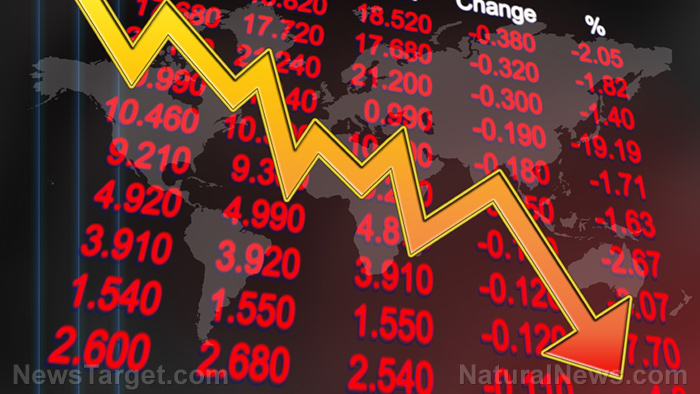
A sharp stock market drop, a banking crisis or spiraling inflation shakes faith in the system itself. When trust in currency erodes, people convert paper money into tangible goods.
Basic supplies like food, fuel and household staples become a more trusted store of value, leading to mass buying and scarcity.
Transportation system disruptions
If the trucking, rail or shipping networks are severely disrupted, the flow of goods simply stops. As shelves begin to show gaps, public anxiety surges.
This visual proof of shortage is all it takes to accelerate panic buying, creating a self-fulfilling prophecy of depletion.
Major cyberattacks
A sophisticated cyberattack on critical infrastructure, targeting pipelines, financial networks or distribution centers, creates a unique, silent terror. The uncertainty of not knowing what works or for how long drives people to secure physical essentials immediately, prioritizing food, water and barterable items in a suddenly digital-less world.
Social media rumors and viral news
In the digital age, perception is reality. An unverified tweet, a sensationalized news segment or a viral video about a shortage can trigger a stampede of buying.
This digital panic moves faster than facts, often creating the very shortage it warned about before most people even understand what’s happening.
Don’t panic, and prepare by building your stockpile today
The common thread in all these scenarios is the lethal combination of fear and unpreparedness. When the unprepared masses react, they engage in panic consumption, burning through community resources in the first critical 72 hours.
They overuse what they have, depleting their own stocks early, and swarm stores to hoard more, ensuring there is nothing left for others.
Protection from this chaos is not found in the crowd, but in the quiet, disciplined actions taken today. The solution is to build a personal food stockpile now, transforming your home into a bastion of supplies. This is not mere hoarding; it is strategic insulation from universal chaos.
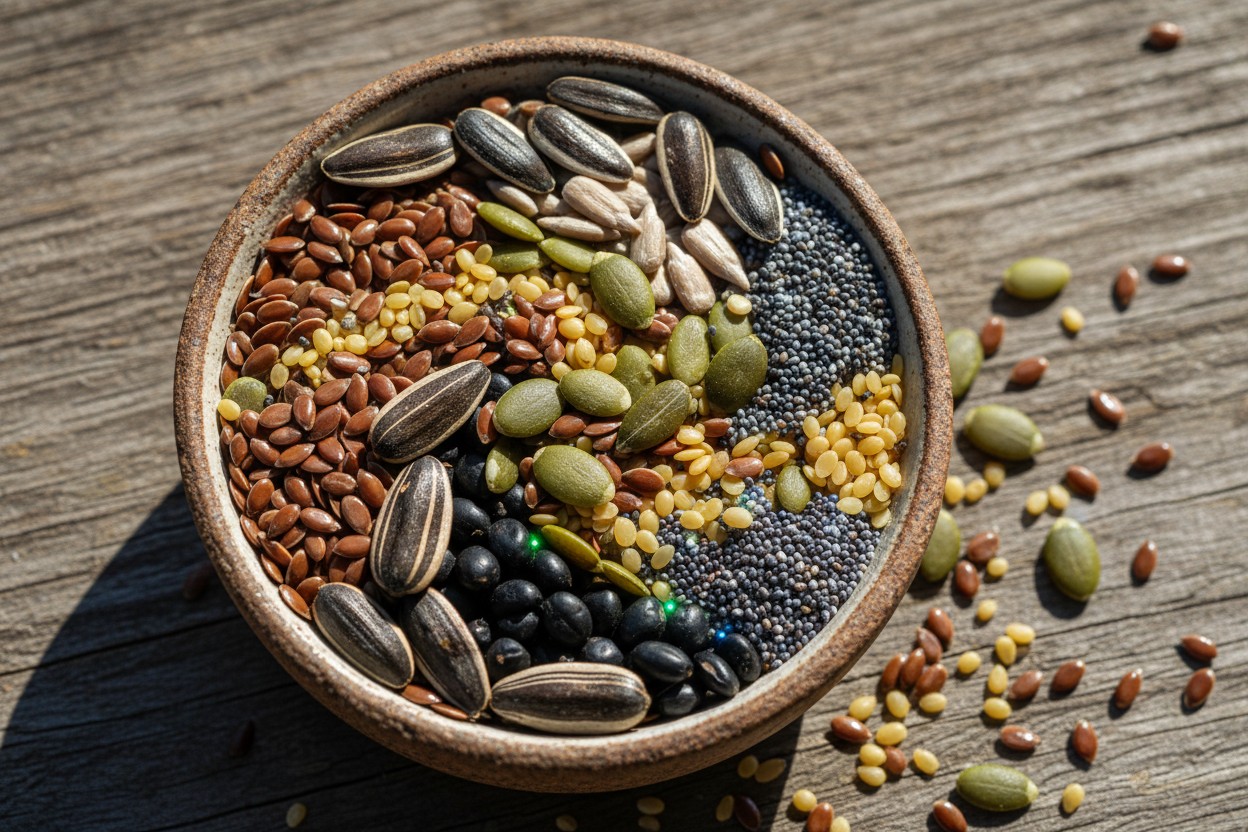
Start by securing a deep reserve of long-lasting staples: grains, canned proteins, vegetables and legumes.
Then, adopt the mindset of adaptation and repurposing. Every resource must count. Food scraps become broth. Cooking grease becomes potential fuel. Multi-use items are prioritized.
Most critically, from the moment a crisis erupts, strict rationing must be enforced within your household. Hunger is manageable; the regret of watching your family’s food vanish in a week because of panic consumption is not.
Discipline replaces comfort-driven habits. By having your own supplies and the discipline to manage them, you avoid the stress, danger and desperation of the last-minute rush.
The stores will empty. The lines will form. The panic will spread. But for those who have heeded the warning signs and acted while the world was still calm, the chaos remains outside the door.
The time to prepare is not when the news breaks, but long before it ever does. Your family’s survival depends on what you do in the quiet days, not the chaotic ones.
Visit Health Ranger Store and Bright Shop to find a variety of lab-verified products for your prepping stockpile.
Watch this clip about Mushroom Powders, a superfood essential for your stockpile.
This video is from the Health Ranger Store channel on Brighteon.com.
Sources include:
Submit a correction >>
Tagged Under:
emergency food, emergency stockpile, Food storage, food supply, homesteading, how-to, off grid, Panic Buying, preparedness, prepper, prepper pantry, prepping, prepping stockpile, SHTF, survival, survival stockpile, tips
This article may contain statements that reflect the opinion of the author
RECENT NEWS & ARTICLES